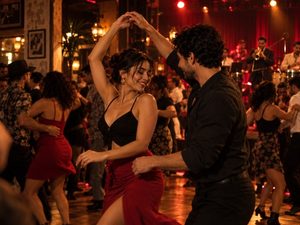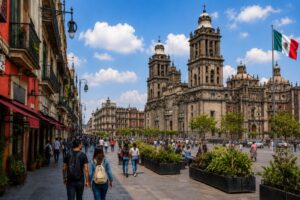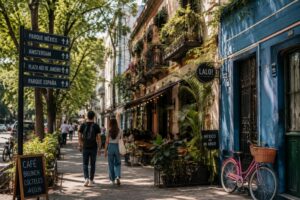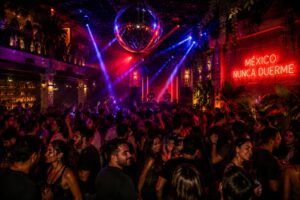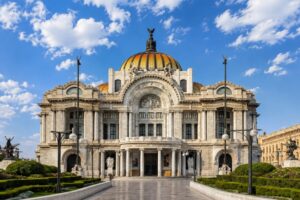

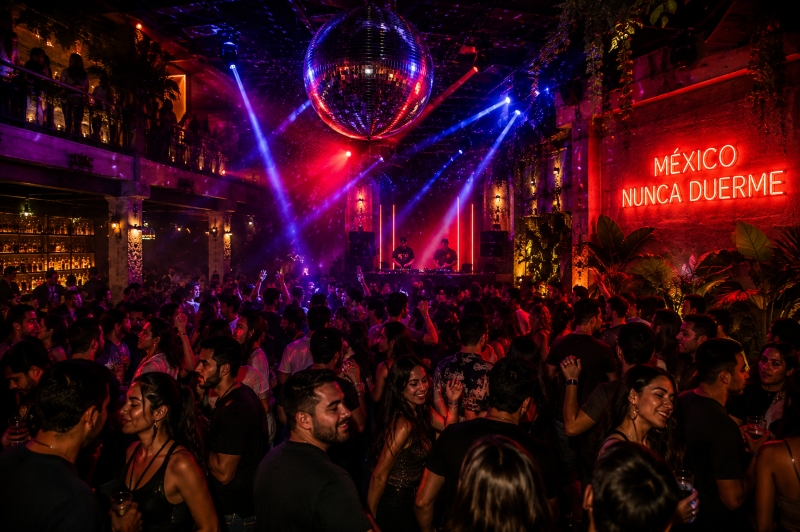
Mexico City nightlife does not revolve around one entertainment district or one type of club. A night in Roma Norte can mean house music in a compact dance floor, Juárez can lead to queer parties and late-night venues, and Polanco offers a more polished scene built around reservations, dress codes, and table service.
That variety is what makes searching for the best clubs in Mexico City more complicated than following a simple ranking.
The right club depends on what you want to hear, how much you want to spend, whether you prefer an underground dance floor or a more upscale setting, and where you plan to end the night. It also helps to understand that Mexico City nightlife starts late. A club that looks quiet at 11 p.m. may feel completely different after 1 a.m.
Instead of trying to identify one universal “best” club, use the neighborhood, music style, and atmosphere to decide what kind of night makes sense for you.
How Mexico City Clubbing Works
Going out in Mexico City often starts with something other than the club itself.
Dinner may happen at 9 or 10 p.m., followed by drinks at a cocktail bar or rooftop. The actual dance floor may not become the main event until midnight or later.
That timing is important for international visitors used to nightlife starting earlier.
Electronic clubs often become busiest after midnight, while larger commercial venues may build the evening around table reservations and bottle service. Some bars transition gradually into dancing rather than operating as traditional nightclubs from the moment they open.
The distinction matters.
A cocktail bar is ideal if conversation is part of the night. A rooftop works well for drinks and views before going somewhere else. Live-music venues revolve around performances. A true dance club is designed around the DJ, sound system, and floor.
Always check the venue’s current program before leaving your accommodation. Mexico City’s club scene changes quickly, particularly around electronic and queer events. Resident Advisor’s current Mexico City club guide, for example, recommends checking individual event listings rather than assuming the same music or schedule every weekend.
Roma Norte and Condesa: Start With Music and Walkability
Roma Norte and Condesa are among the easiest nightlife areas for visitors because dinner, cocktails, rooftops, and clubs can often be combined without crossing the city several times.
Roma Norte generally has the stronger late-night club energy.
Departamento
Departamento has become one of the area’s recognizable nightlife venues by combining music, social spaces, and late-night dancing.
The programming commonly moves through house, minimal, deep house, and electronic sounds, while the format feels more relaxed than a traditional bottle-service nightclub. Recent nightlife guides continue to place it among Roma’s most established options for electronic nights.
It is a good choice for visitors who want to begin somewhere social and allow the night to become progressively more dance-focused.
Bar Oriente
Bar Oriente offers another version of Roma nightlife.
The venue combines an Asian-influenced bar and restaurant format with an upper-level dance floor. Mexico City’s official visitor information describes DJ sets that can move through disco, funk, vocal house, and other electronic styles. Private karaoke rooms add another option for groups who do not want to spend the entire night on the dance floor.
That makes Bar Oriente particularly useful for mixed groups.
Some people can dance, others can take a break or talk, and the night does not depend entirely on everyone wanting the same experience.
Fünk in Condesa
For a more music-centered experience, Fünk is one of the strongest options around Condesa.
The club is built around a Funktion-One sound system and regularly programs house, techno, and disco. Current club guides also emphasize the venue’s connection with inclusive queer and trans electronic-music communities.
This is a better choice when the DJ and sound system matter more than bottle service or seeing and being seen.
Juárez and Zona Rosa: Queer Nightlife and Late-Night Energy
Juárez and Zona Rosa provide one of the city’s densest concentrations of nightlife.
Zona Rosa has historically been central to LGBTQ+ nightlife in Mexico City, particularly around streets such as Amberes. The city’s official tourism information notes that venues in the district open, close, and change frequently, which is why checking current listings shortly before going is especially important.
The nightlife here is also more varied than the word “club” suggests.
You can encounter gay bars, lesbian and queer spaces, drag shows, dance clubs, karaoke, pop nights, circuit-style events, and smaller venues where the evening moves between performance and dancing.
[sic] and Juárez’s Queer Electronic Scene
[sic] has become part of Juárez’s contemporary queer nightlife and electronic-music community.
Resident Advisor describes it as a club built around a community of dancers and artists, while current LGBTQ+ nightlife listings continue to place its events in the Juárez circuit.
It is worth checking the specific event rather than showing up based only on the venue name. Some nights may lean more toward electronic music, while others can have a different community or party focus.
Zona Rosa for a More Spontaneous Night
Zona Rosa is particularly useful when your group does not want to commit to one club in advance.
The density of nightlife means you can start at one bar, see how the evening develops, and move somewhere else nearby.
That flexibility is part of the appeal, but it also means current information matters. A venue that was popular during a previous visit may have changed concept or disappeared entirely.
For that reason, recent social media posts and same-week event listings are often more useful than an old “top 10 clubs” article.
Electronic Music and Underground Venues
Travelers primarily interested in house, techno, disco, and more underground electronic music should organize the night around the event rather than around the neighborhood.
Fünk, Departamento, Bar Oriente, and selected Juárez events are useful starting points, but programming changes.
A club that hosts house on Friday may book a completely different sound on Saturday.
Resident Advisor’s 2026 Mexico City guide continues to identify venues such as Fünk, Bar Oriente, and [sic] within the city’s current club ecosystem.
For electronic nights, check:
The DJ or promoter.
The genre listed for the event.
Opening and closing times.
Whether advance tickets are available.
Whether entry is guaranteed with a ticket or still subject to door policy.
Whether the event is at the regular venue or a temporary location.
This matters because Mexico City’s underground nightlife frequently includes pop-ups, warehouse events, and one-off parties in addition to permanent clubs.
If electronic music is the main reason you are going out, choose the party first and build dinner and transportation around it.
Polanco and Upscale Club Nights
Polanco offers a very different nightlife experience.
Here, clubs tend to place more emphasis on reservations, appearance, table service, and a polished social atmosphere.
La Santa
La Santa on Presidente Masaryk is a clear example.
Mexico City’s official visitor guide describes it as a high-budget nightlife venue with VIP areas, elaborate lighting, commercial reggaeton, Latin urban hits, and electronic remixes. The same source notes a formal and comparatively strict dress code.
This is not the place to arrive in the same outfit you might wear to an underground techno club.
Clean, polished clothing is the safer choice, and groups interested in tables should contact the venue in advance.
Polanco nightlife can also become considerably more expensive than a simple electronic-club cover. Bottle service and reserved areas can shape both access and the total cost of the evening.
Choose Polanco when the social setting, service, and overall production are as important as the music.
Latin Music and Mixed Dance Floors
Not every traveler wants four hours of techno.
For reggaeton, Latin urban music, commercial hits, and mixed dance floors, look toward larger clubs and venues that program broader formats.
La Santa is one Polanco option for reggaeton and commercial Latin sounds.
Bar Oriente can also move beyond strictly electronic music, with programming that includes house, disco, funk, and occasional reggaeton-oriented nights.
Zona Rosa adds another level of variety, particularly for pop, Latin hits, queer parties, and nights that combine DJs with shows.
For visitors who are not sure what they want, mixed-format venues can be easier than committing to a highly specific techno lineup.
The most important step is checking the event for that particular night.
Club names tell you where you are going. The event tells you what you are actually going to hear.
Cover, Dress Code, and Timing
The cost of going out varies considerably.
At electronic clubs around Roma and Condesa, recent guides place typical covers roughly in the MXN 200 to 500 range depending on the event and artist.
That should be treated as a reference rather than a fixed price.
International DJs, special events, and advance ticket tiers can change the amount.
Polanco operates differently. Entry can involve reservations, tables, minimum consumption, or bottle service, making the total cost much higher.
Dress codes follow a similar pattern.
Electronic and underground venues generally allow more individual and casual styles, although the door can still make decisions based on capacity and event policy.
Polanco tends to be stricter. Smart casual or formal clothing is much safer than beachwear, athletic clothing, caps, or visibly casual sneakers at selective venues. La Santa explicitly applies a more formal door policy.
As for timing, do not arrive everywhere at 9 p.m. expecting a full dance floor.
Dinner first and club later is usually the more natural rhythm.
Check the Event Before You Leave
Mexico City’s nightlife is too dynamic to plan exclusively from static recommendations.
For electronic music, check Resident Advisor and the club’s current social channels.
For queer nightlife, current LGBTQ+ listings and event pages can help confirm what is actually operating that week.
For Polanco, contact the venue directly when reservations or guest lists are part of the experience.
Also confirm the address.
Special parties sometimes move between locations, and similar venue names can create confusion.
A few local tips about transportation, neighborhood distances, and everyday city routines can also make nightlife planning easier, especially on a first trip.
Plan Your Return Before the First Drink
The trip home should be part of the nightlife plan, not an afterthought at 3 a.m.
If you are drinking, do not drive.
For late-night returns, app-based rides such as Uber or DiDi are often more practical for visitors than trying to improvise transportation on the street. Current electronic nightlife guidance similarly recommends arranging app-based transportation for the return journey.
Wait for your ride inside the venue or in a busy, well-lit area when possible.
Check the vehicle and license plate before entering.
Avoid separating from your group without communicating where you are going.
Keep your phone charged enough to request transportation and access your accommodation.
If you are moving between venues, remember that neighborhoods that appear adjacent can still involve quiet blocks late at night.
Walking from dinner to a nearby bar can be convenient. Walking a long distance alone at 3 a.m. simply because the map says 20 minutes is a different decision.
Stay Near Mexico City Nightlife With ULIV
Where you stay can change how complicated a night out feels.
If most of your plans revolve around Roma Norte and Condesa, staying nearby can reduce the number of late-night rides and allow you to start the evening with dinner or cocktails within walking distance of your accommodation. Choosing the right area to stay is especially useful when nightlife is one of the main reasons for your trip.
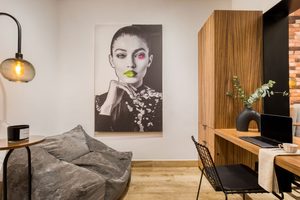
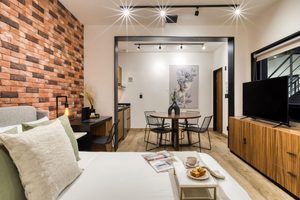
For this type of stay, ULIV Roma Norte provides a base close to one of the city’s most active restaurant, bar, and nightlife districts. The property includes fully equipped units as well as a rooftop, terrace, and outdoor gym, giving guests additional places to slow down during the daytime or before going out at night.
The value is not limited to being close to clubs. ULIV operates as professionally managed hospitality, with attention during the stay, professional cleaning, and services that go beyond simply receiving the keys to a furnished apartment. Those differences can be useful when late nights are part of the itinerary and you still want a consistent, comfortable place to return to.
Explore the ULIV Roma Norte property and compare its location with the clubs, restaurants, and bars you expect to visit most often. Staying near the center of your nightlife plans can make both the beginning and the end of the evening considerably simpler.
Conclusion
The best clubs in Mexico City depend on what you want your night to become.
Roma Norte and Condesa are strong starting points for electronic music, house, social venues, and nights where dinner can transition naturally into dancing. Juárez and Zona Rosa offer some of the city’s most important LGBTQ+ nightlife and a wide range of late-night formats. Polanco works better when you want a polished club, formal atmosphere, and table-service experience.
For electronic music, follow the event and DJ rather than the club name alone. For Latin music and commercial hits, mixed-format venues and larger clubs may be a better fit.
Most importantly, plan beyond the dance floor.
Check the current lineup, confirm the cover or reservation policy, understand the dress code, and decide how you will return before the night begins.
Mexico City can keep going until very late. Choosing the right neighborhood, event, and transportation plan lets you enjoy that energy without turning the night into unnecessary logistics.