
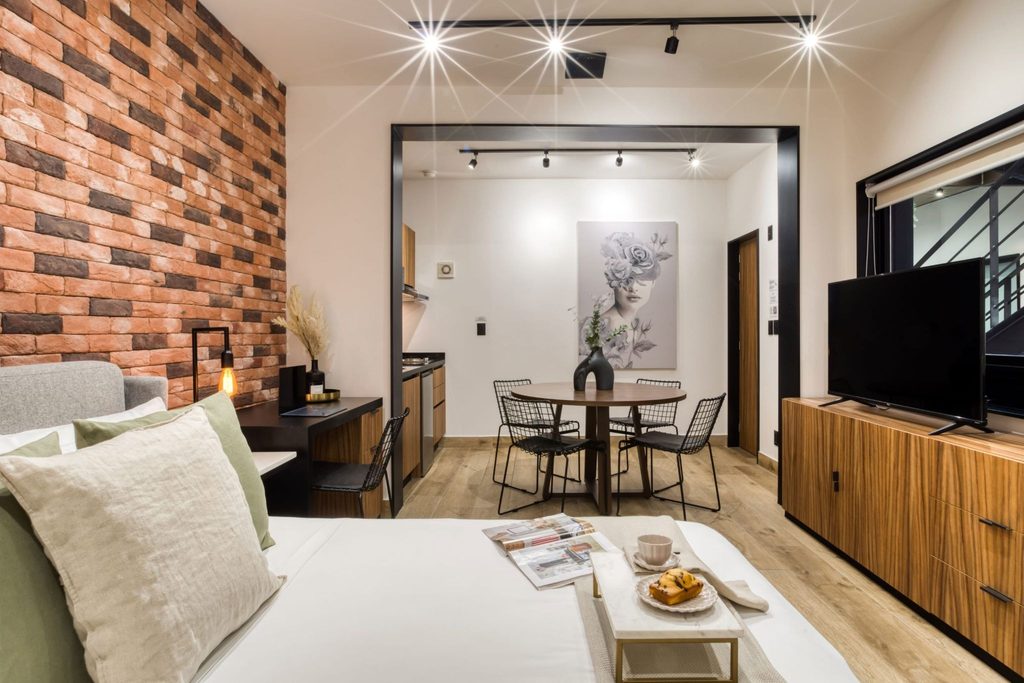
Roma Norte is one of Mexico City’s best-known dining neighborhoods, but eating well here does not require building every meal around a famous reservation.
Some of the best restaurants in Roma Norte are part of the neighborhood’s contemporary culinary scene, while other memorable meals happen at taquerías, bakeries, mercados, fondas, sidewalk counters, and places built around one dish rather than an elaborate tasting menu.
That contrast is what makes Roma Norte useful for travelers.
You can start the morning with coffee and pan dulce, eat tacos or a comida corrida for lunch, stop for something casual in the afternoon, and still choose a more ambitious restaurant for dinner. The goal is not to rank every place in the neighborhood. It is to understand what kind of food experience makes sense according to the time of day, your budget, and how hungry you actually are.
What Makes Roma Norte a Food Destination?
The Roma Norte food scene works because very different eating styles exist within a relatively small area.
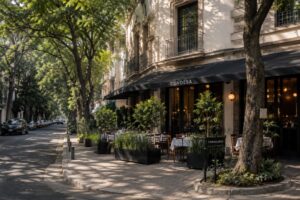
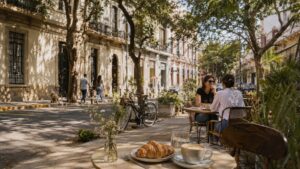
Traditional Mexican cooking sits beside natural-wine bars, bakeries, seafood restaurants, taquerías, contemporary dining rooms, and cafés. You can spend a large amount on a special dinner or eat extremely well from a sidewalk table.
That mix also means the neighborhood is constantly changing.
New restaurants open frequently, but some of the most useful places are those that remain connected to everyday eating habits: tacos, guisados, masa-based dishes, bread, coffee, soups, market lunches, and seasonal Mexican ingredients.
Current Michelin selections illustrate that range. Roma Norte includes inexpensive taquerías such as Tacos Los Alexis and Barbacoa Gonzalitos as well as starred restaurants including Expendio de Maíz and Rosetta.
The best strategy is to mix formats instead of treating every meal as a destination restaurant.
Traditional Mexican Food to Try
Roma Norte is a good place to become familiar with dishes that appear throughout Mexico City.
Start with tacos, but do not stop there.
Look for tacos de guisado, filled with stews such as chicharrón in salsa, potatoes, pork, eggs, or vegetables. They are particularly common around lunchtime and are often served from simple counters or small neighborhood taquerías.
Barbacoa is another useful introduction to regional Mexican cooking. At Barbacoa Gonzalitos on Colima, the focus is northern-style tacos, including beef barbacoa, machacado con huevo, and preparations served in corn or flour tortillas.
You may also encounter sopes, tlacoyos, huaraches, gorditas, mole, chilaquiles, pozole, tamales, and dishes built around nixtamalized corn.
Do not feel pressure to try all of them in one day. Roma Norte is better when you let traditional Mexican food appear naturally between other plans.
Fondas and Neighborhood Lunch Spots
One of the easiest ways to eat more like a local is to understand the idea of the fonda.
A traditional fonda is an informal neighborhood restaurant centered around home-style cooking. Many offer a comida corrida, a fixed midday meal that may include soup, rice or pasta, a main dish, agua fresca, and sometimes dessert.
These meals are usually designed for everyday diners rather than visitors planning a special occasion.
Public markets can be particularly useful for this experience. Mercado Medellín, technically in Roma Sur but within easy walking distance of Roma Norte, has hundreds of vendors and a row of fondas serving affordable prepared food alongside produce, spices, Latin American ingredients, and Mexican staples.
If you want something that interprets the fonda idea in a more polished setting, Fonda Fina on Medellín builds its menu around Mexican comfort food and masa-based dishes while offering a more contemporary restaurant experience.
For travelers watching their budget, lunch is often the best time to explore this side of the neighborhood.
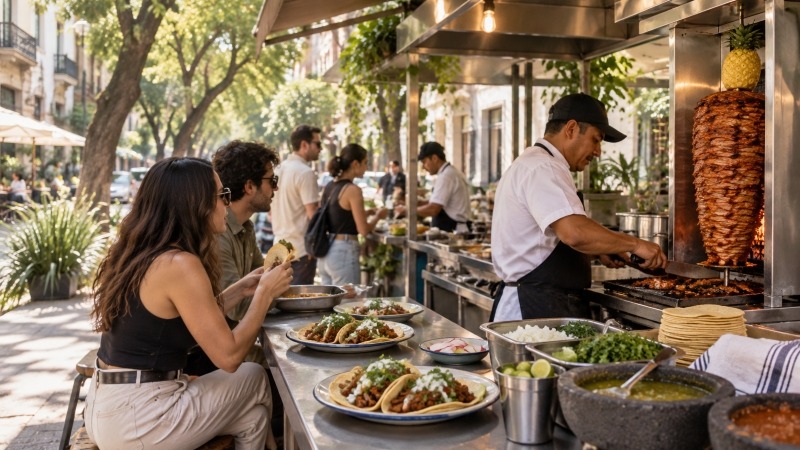
Taquerías and Street Food
Tacos are essential to Roma Norte, but the useful question is not “Which taco is best?”
It is “What kind of taco do you want right now?”
Tacos Los Alexis on Chiapas is a good example of a taquería that combines a casual format with more creative preparations. Its menu includes tacos, costras, volcanoes, and vegetarian options built around ingredients such as huitlacoche.
Taquería El Jarocho offers a more traditional experience, with fresh tortillas and a broad selection of guisado-style tacos.
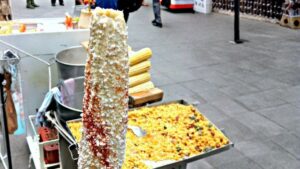
Roma Norte also rewards people who simply watch the street.
Busy stands around lunch and late evening can be useful when you want something quick between galleries, shopping, or drinks. If you want a more focused guide before heading out, ULIV’s roundup of local taco spots is a natural place to continue exploring.
For street stands, look for steady customer turnover, food being cooked continuously, and ingredients that are clearly being replenished rather than sitting untouched for long periods.
Markets and Food Halls
Roma gives you different ways to experience food under one roof.
Mercado Roma
Mercado Roma, on Querétaro, is a modern food hall rather than a traditional public market.
It is useful when a group wants different things to eat or when you want to browse several polished concepts in one stop. The location is firmly inside Roma Norte and works easily as part of a day spent walking the neighborhood.
Its atmosphere is more curated and visitor-friendly than a traditional mercado.
Mercado Medellín
Mercado Medellín offers the opposite experience.
It functions as an everyday public market, with produce, pantry goods, flowers, fondas, prepared food, and a strong Latin American identity. Colombian, Cuban, Venezuelan, and Peruvian products are part of what makes the market distinctive.
If you are staying several days, it is also a useful place to buy fruit, tortillas, ingredients, or snacks rather than treating every food experience as a restaurant visit.
Mercado El 100
On Sundays, Mercado El 100 offers another alternative near the Roma Norte and Roma Sur border.
The market brings together small producers and farmers selling fresh produce, coffee, prepared food, and artisanal products.
This is better for a slow Sunday morning than a rushed weekday lunch.
Breakfast, Bakeries, and Specialty Coffee
Breakfast in Roma Norte can be as simple or elaborate as you want it to be.
The neighborhood has enough bakeries, coffee shops, juice counters, casual restaurants, and sit-down breakfast spots that there is rarely a need to cross the city for your first meal of the day.
Panadería Rosetta remains one of the area’s best-known bakeries. Its bread combines sourdough and long fermentation with Mexican ingredients and European baking traditions, and the guava roll has become one of its most recognizable items.
It can become busy, especially during popular morning periods, so travelers who dislike waiting may prefer to go early or choose another neighborhood bakery.
The important point is not that every breakfast has to happen at a famous place.
If you have a large dinner planned, breakfast is also a good moment to keep things simple: coffee, fruit, bread, eggs, or chilaquiles can make more sense than turning every meal into a major event.
Casual Places for Lunch or Dinner
Not every sit-down restaurant in Roma Norte needs to be formal or expensive.
Galea on Sinaloa is one example of a relaxed restaurant with Italian-inspired food, homemade pasta, daily dishes, and a terrace.
Seafood is another important part of the neighborhood’s dining identity.
Contramar on Durango has become one of Roma Norte’s most recognizable seafood restaurants and is particularly associated with dishes such as tuna tostadas and pescado a la talla. It works especially well for a long lunch rather than a rushed evening meal.
This part of the neighborhood is useful when you want something more structured than tacos but do not necessarily want fine dining.
Contemporary Mexican Cuisine
Roma Norte’s international reputation comes partly from restaurants that reinterpret Mexican ingredients and traditions in very different ways.
Expendio de Maíz
Expendio de Maíz is one of the clearest examples.
Its cooking is centered on corn and masa, with dishes changing rather than following a conventional fixed menu. The experience focuses on nixtamalized corn shaped into tortillas, huaraches, sopes, and other preparations.
It is not the easiest place for travelers who need a predictable menu or fixed meal length, but it can be particularly rewarding if you want to understand how a foundational Mexican ingredient becomes contemporary cooking.
Rosetta
Rosetta, led by Elena Reygadas, represents another side of Roma Norte.
Its cooking combines Mexican ingredients and culinary references with broader global influences in one of the neighborhood’s best-known dining rooms.
This is the kind of restaurant where planning matters more. If it is one of your priority dinners, reserving ahead is much more sensible than arriving during a busy evening and hoping for a table.
Santo Habanero
For a third option with a different focus, Santo Habanero offers a broader look at Mexican cooking.
Rather than concentrating primarily on corn or a chef-driven fine-dining format, the restaurant draws inspiration from different regions of Mexico and combines traditional flavors with more contemporary preparations.
Its location in Roma Norte makes it useful for travelers who want Mexican food in a more flexible restaurant format, particularly when different people at the table want a wider range of dishes.
Together, Expendio de Maíz, Rosetta, and Santo Habanero show why contemporary Mexican cuisine in Roma Norte does not follow a single formula.
Where to Eat in Roma Norte After Dark
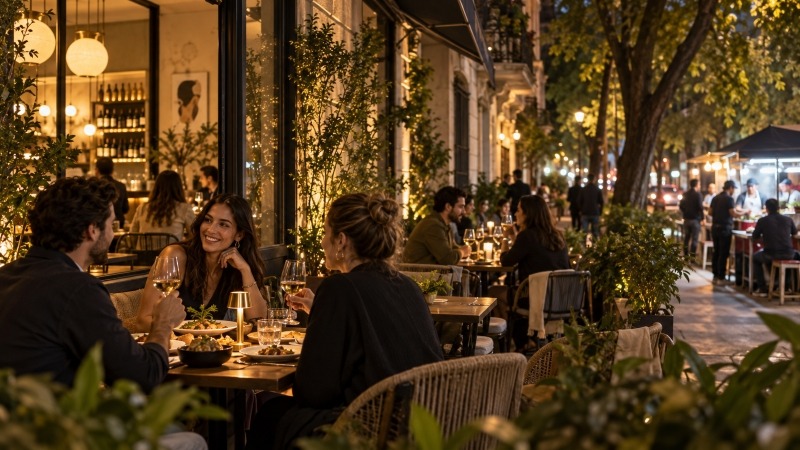
At night, Roma Norte shifts toward longer dinners, wine bars, cocktails, and restaurants that stay active well beyond traditional lunch hours.
This is when reservations become more important.
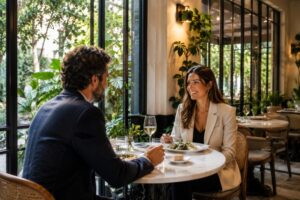
For a special dinner, Rosetta is an obvious choice. For a more casual evening, pasta, seafood, Mexican cooking, tacos, or shared plates can work just as well.
Late-night food also has its own logic.
After bars or clubs, a taco stand may make far more sense than another formal restaurant. Mexico City’s broader street food culture becomes particularly visible at night, when taquerías and stands serve people finishing work or continuing an evening out.
If nightlife is part of your plan, think about dinner and late-night food as two different moments rather than trying to combine everything into one large meal.
What to Choose According to Your Budget and Appetite
Roma Norte can accommodate very different budgets.
At the lower end, tacos, tamales, market food, fondas, and comida corrida are usually the most economical choices.
A casual café, bakery, or neighborhood restaurant sits somewhere in the middle.
Contemporary restaurants, seafood destinations, wine-focused places, and Michelin-recognized dining can become much more expensive, especially once drinks are added.
A practical food day might look like this:
Breakfast from a bakery.
A market lunch or tacos in the afternoon.
Coffee or a small snack later.
One reserved dinner.
That approach allows you to experience different parts of Roma Norte’s food culture without spending heavily at every meal.
Practical Tips for Eating in Roma Norte
Lunch in Mexico City often happens later than many international visitors expect, and dinner can easily begin after 8 p.m.
For popular restaurants, reserve ahead when possible.
For tacos, markets, bakeries, and casual neighborhood spots, spontaneity is usually part of the experience.
Cards are widely accepted in established restaurants, but cash remains useful for markets, street stands, small taquerías, and places with limited payment options.
Also pay attention to the audience.
A restaurant filled entirely through social media hype is not automatically bad, and a place full of locals is not automatically perfect. Still, turnover, repeat customers, straightforward menus, and a steady lunchtime crowd can help identify businesses that function as part of neighborhood life rather than only as visitor destinations.
Most importantly, do not overbook your day.
The best food experiences in Roma Norte often happen because you left room to stop somewhere you did not plan.
Stay Close to Roma Norte’s Food Scene With ULIV
When eating is one of the main reasons for choosing Roma Norte, location changes the experience.
Staying within the neighborhood means you can go out for breakfast, return to your accommodation, walk to lunch, rest in the afternoon, and head back out for dinner without turning every meal into a ride across Mexico City.
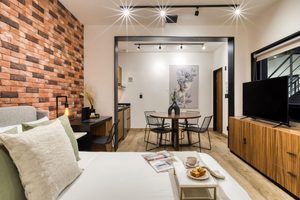
If your priority is staying close to Roma Norte’s restaurant, café, and neighborhood scene, ULIV Roma Norte keeps those everyday food experiences within easy reach. Its fully equipped units, rooftop, and outdoor gym also give our guests useful spaces to return to between meals and neighborhood walks.
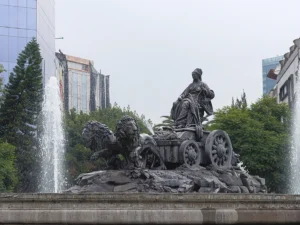
If your plans also revolve around the Cibeles area, nightlife, and easy access toward Juárez and Reforma, ULIV Cibeles offers a different base within Roma Norte. The property adds a terrace, gym, business center, and game room, while keeping restaurants, cafés, bars, and boutiques close by.
That distinction matters because both properties place you near the same food-focused neighborhood but support slightly different itineraries.
A trip centered on restaurants may involve a slow morning before a long lunch, an afternoon break before dinner, or the flexibility to prepare something simple instead of eating out for every meal.
At ULIV, we combine private living spaces with professionally managed hospitality, so the experience goes beyond location alone. Our properties give guests a more consistent stay while keeping the neighborhood’s restaurants, cafés, nightlife, and everyday city life close at hand.
Compare ULIV Roma Norte and ULIV Cibeles to find the location that best fits the restaurants, cafés, and nightlife you plan to explore.
Conclusion
The best restaurants in Roma Norte are only one part of the neighborhood’s food story.
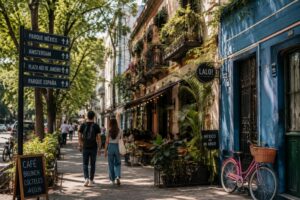
What makes the area interesting is the way contemporary restaurants, old-school taquerías, public markets, bakeries, street stands, cafés, and everyday Mexican meals exist within walking distance of one another.
Try tacos de guisado. Spend a morning in a bakery. Eat lunch at a market. Leave room for masa, barbacoa, seafood, coffee, and a restaurant that requires a reservation.
You do not need every meal to be famous.
In fact, Roma Norte becomes more enjoyable when some meals are planned and others happen because you noticed a busy counter, smelled tortillas cooking, or simply got hungry at the right moment.
That balance between everyday food and ambitious cooking is what makes Roma Norte one of Mexico City’s most rewarding neighborhoods to eat through.