
Traveling internationally for Formula 1 involves more than buying a race ticket and booking a flight.
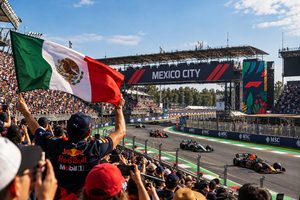
The Mexico City Grand Prix 2026 takes place from Friday, October 30 through Sunday, November 1 at the Autódromo Hermanos Rodríguez. Formula 1 practice begins Friday, qualifying is scheduled for Saturday afternoon, and the Grand Prix starts at 2:00 PM local time on Sunday.
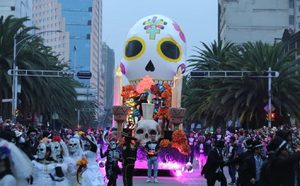
For visitors coming from the United States, Canada, Europe, or elsewhere, race weekend is also an opportunity to experience one of Mexico City’s busiest cultural periods. The Grand Prix overlaps with the Día de Muertos season, when additional events and activities take place throughout the city. Mexico City’s official visitor guide already highlights Día de Muertos as a major part of its 2026 cultural calendar.
This Mexico City Grand Prix 2026 travel guide covers what international travelers need to know beyond the race itself: where the circuit is, how to think about transportation, which neighborhoods work well for a first visit, payments, meals, sightseeing, what to pack, and how to choose accommodation for the entire trip.
Start With the Location of the Autódromo Hermanos Rodríguez
The Autódromo Hermanos Rodríguez is located inside the Ciudad Deportiva Magdalena Mixhuca complex, east of the central neighborhoods where many international visitors choose to stay.
The circuit measures 4.304 kilometers and hosts a 71-lap Grand Prix.
Understanding its location helps prevent one common planning mistake: assuming that accommodation must be next to the circuit.
Roma Norte, Condesa, Juárez, Reforma, and Polanco are farther west, but they place travelers closer to many of the restaurants, museums, bars, parks, and neighborhoods they may want to explore outside race hours.
The circuit is connected to Mexico City’s public transportation network. Metro Line 9 serves Velódromo, Ciudad Deportiva, and Puebla stations, while Metrobús Line 2 and Trolebús routes provide other options around the venue.
For an international visitor, the accommodation decision is therefore about balancing race-day transportation with the rest of the trip.
Arriving in Mexico City
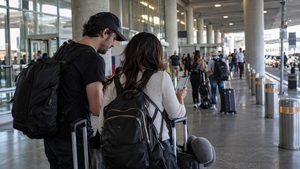
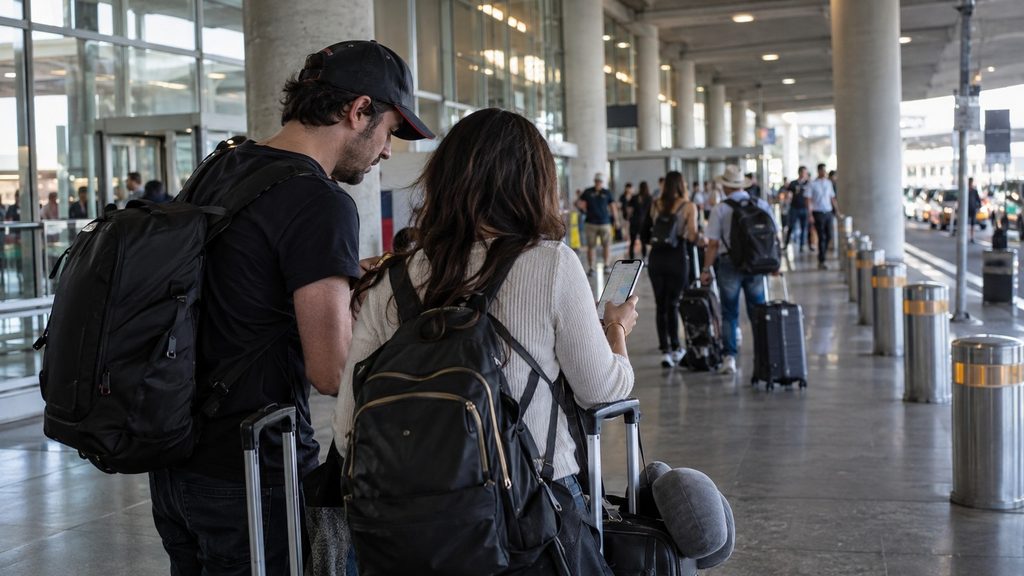
If your flight arrives at Mexico City International Airport (AICM/MEX), check the terminal before arranging transportation.
The airport has Terminal 1 and Terminal 2, and they are separate buildings. Connecting passengers who meet the requirements can use the Aerotrén between them, while buses also provide interterminal transportation.
Before landing, keep the following accessible on your phone:
- Accommodation name and full address
- Check-in instructions
- Reservation confirmation
- Arrival terminal
- A backup transportation option
- Offline map or screenshot of your destination
Do not tell a driver only that you are staying in “Roma” or “Polanco.” Mexico City neighborhoods cover enough ground that the exact address matters.
Also check the airport code on your reservation rather than assuming every Mexico City flight uses the same airport.
If this is your first time visiting, our Mexico City travel tips can help with practical questions about transportation and everyday city logistics before Grand Prix weekend begins.
Choose a Neighborhood for the Whole Trip
Race weekend occupies a large part of Friday, Saturday, and Sunday, but your accommodation still shapes everything that happens before and after the circuit.
For many first-time international visitors, central neighborhoods are easier to combine with sightseeing, food, and nightlife.
Roma Norte and Condesa
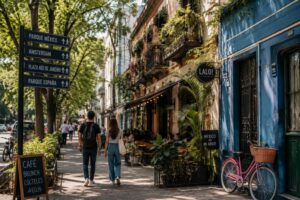
Roma Norte works well if restaurants, cafés, bars, and an active neighborhood atmosphere are part of the trip.
It also gives you relatively easy access to Condesa, Juárez, and Reforma.
Condesa offers many of the same central advantages but has a different daily rhythm, particularly around Parque México and Avenida Amsterdam. It is a good choice when you want restaurants and nightlife nearby but also value parks and a more residential feel between race days.
These areas make particular sense for travelers extending their stay beyond Sunday.
Juárez and Reforma
Juárez and Reforma put you close to central landmarks, restaurants, nightlife, and several major visitor areas.
Reforma can be especially practical if Formula 1 is sharing the itinerary with museums, business plans, Chapultepec, or sightseeing.
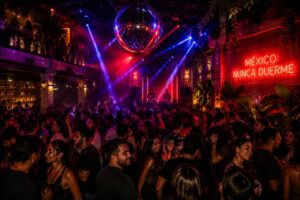
Juárez also contains Zona Rosa, so it suits visitors who want nightlife close to their accommodation after returning from the circuit.
Polanco
Polanco appeals to travelers interested in restaurants, shopping, museums, and a more premium accommodation experience.
It is farther from the Autódromo than some central or eastern areas, so race-day transportation deserves more planning.
That tradeoff may be worthwhile if the Grand Prix is only part of a longer trip and Polanco better matches the other days on your itinerary.
If you are still deciding, our guide to where to stay in Mexico City provides additional context for comparing neighborhoods beyond Formula 1.
Understand Metro, Metrobús, and Race-Day Transportation
Mexico City’s transport names may be unfamiliar if this is your first visit.
Metro is the city’s rapid-transit rail network. Metro Line 9 is particularly important during the Grand Prix because Velódromo, Ciudad Deportiva, and Puebla stations serve different sides of the circuit area.
Metrobús is Mexico City’s bus rapid transit system, with buses operating along dedicated corridors. For the Autódromo area, official Mexico GP information lists UPIICSA and El Rodeo on Line 2 among the relevant stations.
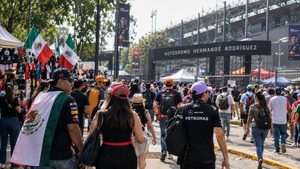
The circuit also has multiple access gates.
Your ticket determines which gate you should use according to your grandstand, hospitality product, or zone. You cannot simply enter through whichever gate you reach first.
That means your race-day plan should begin with the ticket, not with a generic map search for the Autódromo.
Ride-hailing is useful throughout Mexico City, but major events create heavier traffic, pickup congestion, and changing road conditions. Consider combining a car with public transportation instead of assuming a door-to-door ride will always be the fastest option.
Plan Friday, Saturday, and Sunday Differently
The three Formula 1 days do not need identical schedules.
Friday: Learn the Route
Friday includes the first and second Formula 1 practice sessions, scheduled for 12:30 PM and 4:00 PM local time.
If you are attending Friday, use it to understand the route between your accommodation and the circuit.
Notice how long it takes to reach your gate, where you enter, how crowded your transportation option becomes, and what the return feels like.
That experience makes Saturday and Sunday much easier.
Saturday: Leave Room Around Qualifying
Saturday’s third practice is scheduled for 11:30 AM, with qualifying from 3:00 PM to 4:00 PM.
Avoid scheduling a fixed dinner immediately after qualifying unless you have enough time to leave the venue, travel across the city, and return to your accommodation first.
This is a better night for a flexible dinner near wherever you are staying.
Sunday: Make the Race the Main Plan
Sunday includes the drivers’ parade at noon and the Grand Prix from 2:00 PM to approximately 4:00 PM.
Give Sunday the most flexibility.
Getting out of a major sporting event can take longer than arriving. Thousands of spectators leave at similar times, Metro stations become busier, and ride-hailing demand increases.
Rather than trying to fit several major activities into Sunday evening, keep dinner and post-race plans close to your accommodation.
Mexican Pesos, Cards, and Everyday Payments
Mexico uses the Mexican peso, abbreviated MXN.
When checking restaurant menus, transportation prices, or online reservations, make sure you know whether a quoted amount is in MXN or another currency.
Credit and debit cards are common at hotels, established restaurants, shops, and many other businesses. Keeping some pesos available is still useful for smaller purchases, tips, markets, and situations where card payment is unavailable or inconvenient.
Avoid carrying more cash than you need for the day.
For race weekend, also check the Autódromo’s current payment policies before attending rather than assuming the same methods are accepted everywhere inside the venue.
Expect Later Meals and Book High-Demand Restaurants Ahead
Meal schedules in Mexico City may be later than what some international visitors are used to.
Lunch can stretch well into the afternoon, and dinner commonly starts later than in parts of the United States or Canada.
Grand Prix weekend also brings additional demand.
Combine that with the Día de Muertos period and popular restaurants may be busier than during an ordinary weekend.
If there is a specific restaurant you do not want to miss, reserve ahead instead of trying to fit it spontaneously between race activities.
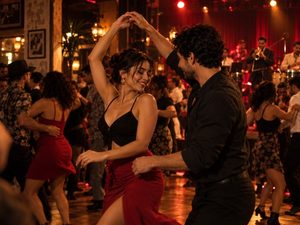
Roma Norte and Condesa are particularly convenient for this because dinner, cocktails, cafés, and late-night options are concentrated throughout both neighborhoods.
Polanco is another strong dining destination, particularly if you want a more structured dinner after the race.
What to Do Before or After the Circuit
Do not try to turn every Formula 1 day into a full sightseeing day.
Friday may leave some flexibility depending on which sessions you attend. Saturday evening works well for dinner and nightlife. Sunday is better treated as a race-focused day.
If you stay beyond the Grand Prix weekend, that is when Mexico City becomes much easier to explore.
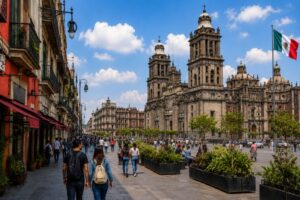
Chapultepec is particularly useful for a first visit because museums, green space, and major cultural attractions are concentrated in the area.
The Museo Nacional de Antropología is one of the city’s major cultural institutions, and the wider Chapultepec area can easily occupy much of a day.
If museums are part of your extended itinerary, our guide to museums in Mexico City can help you decide which ones fit the time you have available.
Centro Histórico, Roma Norte, Condesa, Reforma, and Polanco can then fill different parts of the trip without competing with race-day plans.
Mexico City’s official visitor guide also provides one-day, three-day, and seven-day itinerary resources for travelers extending their stay.
Día de Muertos Changes the Weekend
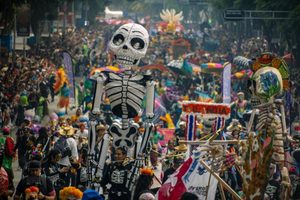
The 2026 Grand Prix falls directly across the Día de Muertos period.
That gives international visitors an unusual opportunity to experience Formula 1 and one of Mexico’s most recognizable cultural traditions during the same trip.
It also means you should expect more city activity.
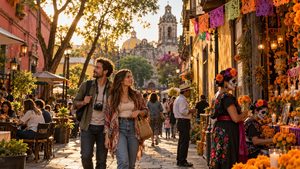
Public spaces may host installations, cultural events, decorations, performances, or other seasonal programming. Exact 2026 events and schedules should be checked against the city’s official cultural calendar closer to the trip.
Do not assume that every Día de Muertos activity will happen next to the circuit or that the holiday is simply one large tourist festival.
If you want to add cultural events to the trip, give them their own time rather than trying to squeeze them between qualifying and the race.
What to Pack for the Autódromo
A Grand Prix day means spending several hours away from your accommodation.
Comfort matters.
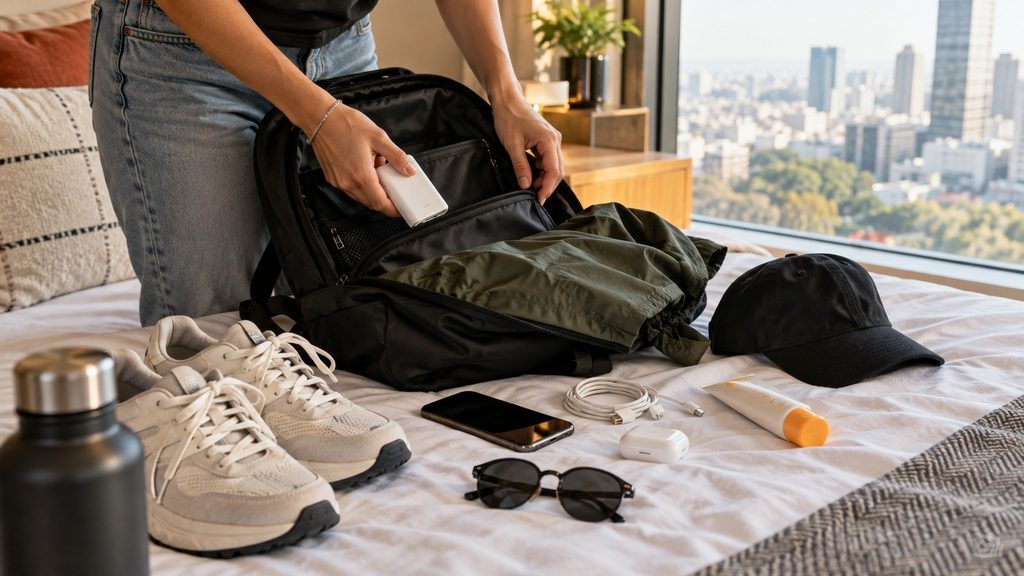
Bring comfortable walking shoes and clothing you can wear for a long day in grandstands, transportation, and outdoor areas.
Mexico City’s altitude is also worth remembering. The Autódromo sits more than 2,000 meters above sea level, so travelers arriving from lower elevations may notice the altitude during long days of walking.
Useful race-day preparation includes:
- Charged phone
- Portable battery
- Ticket available offline
- Screenshot of your assigned gate
- Accommodation address saved offline
- Comfortable walking shoes
- Layers for changing temperatures
- Sun protection
- Only items permitted under current event rules
Check the official event restrictions shortly before attending because permitted and prohibited items can change.
Practical Safety Without Overcomplicating the Trip
Mexico City is a major international city, and practical urban habits are more useful than broad labels about whether an entire neighborhood is “safe” or “unsafe.”
Keep your phone and wallet secure in crowded Metro stations.
Verify the vehicle and license plate before entering a ride-hailing car.
Wait for transportation in active, well-lit areas.
Avoid displaying unnecessary cash.
Keep a copy of your passport information separate from the original.
Most importantly during the Grand Prix, stay aware in dense crowds where people are focused on tickets, phones, and transportation.
These are useful habits throughout a large city rather than reasons to approach the trip with alarm.
Choose Accommodation Around More Than F1
An international Formula 1 trip rarely consists of the circuit alone.
For travelers who want restaurants, nightlife, and Roma Norte as part of the experience, ULIV Cibeles gives our guests a central base close to the neighborhood’s everyday activity.
Another option in this part of the city is ULIV Mexico City, located on Insurgentes Sur, one of Mexico City’s main avenues. It works well for travelers who want to stay close to Roma Norte while keeping convenient connections toward Reforma and other parts of the city.
If your trip moves frequently between Roma and Condesa, ULIV Pulse Roma – Condesa provides a convenient base between both neighborhoods, with access to restaurants, cafés, parks, and nightlife on both sides.
If Reforma, Chapultepec, and central sightseeing play a larger role, ULIV El Angel offers another starting point near the Ángel de la Independencia and the Reforma corridor.
Travelers looking for a more premium stay in Polanco can consider Collections by ULIV Polanco, particularly if the trip also includes upscale dining, shopping, museums, or additional leisure days in this part of the city.
For an even more luxury-oriented experience, UTOPIC Campos Elíseos by ULIV is another option in Polanco, suited to travelers who want to combine Formula 1 with a more elevated stay near some of the neighborhood’s restaurants, cultural attractions, and premium experiences.
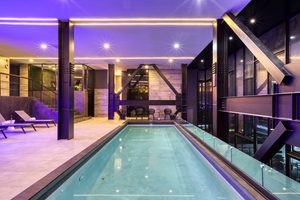
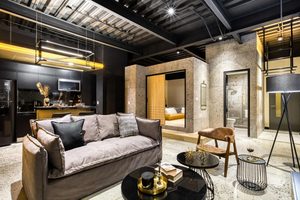
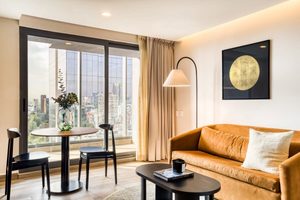
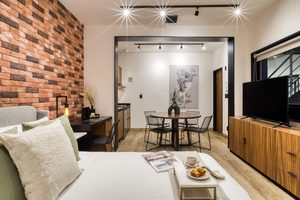
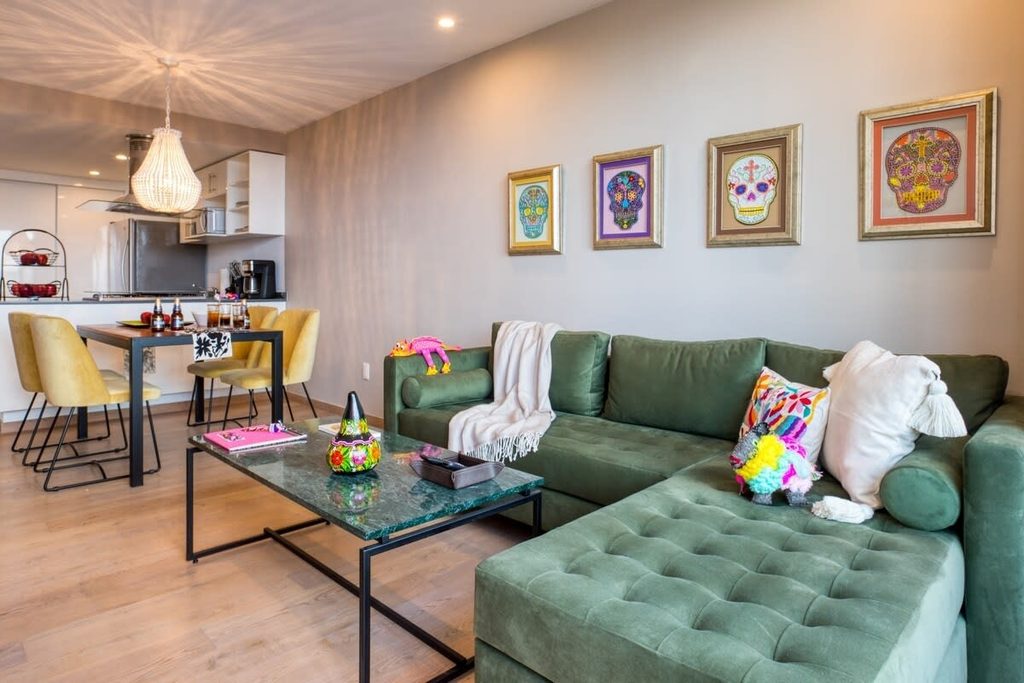
At ULIV, we combine private living spaces with professionally managed hospitality. That can be valuable whether you are staying two nights or extending the Grand Prix into a longer trip.
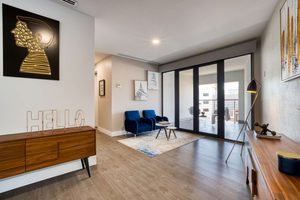
A kitchen can make an early race morning easier. Wi-Fi and work areas matter when you are combining the trip with remote work. Depending on the property, amenities such as a gym, business center, parking, rooftop, or shared spaces can add flexibility outside race hours.
The important part is choosing the property according to your whole itinerary rather than treating the Autódromo as the only destination.
Conclusion
A successful race weekend in Mexico City starts before you reach the circuit.
Know your airport and accommodation address. Choose a neighborhood that makes sense for the rest of your trip. Understand how Metro and Metrobús fit into the transportation network. Check the entrance assigned to your race ticket. Carry MXN when useful, reserve high-demand meals ahead, and leave enough flexibility for crowds and traffic.
Then give yourself time to experience the city beyond Formula 1.
The 2026 weekend combines the Autódromo Hermanos Rodríguez, one of the season’s most distinctive Formula 1 venues, with Día de Muertos activities and a city full of restaurants, museums, parks, and neighborhoods worth exploring.
The goal of this Mexico City Grand Prix 2026 travel guide is not to fit everything into three days. It is to make the logistics simple enough that the race and the city can both be part of the trip.