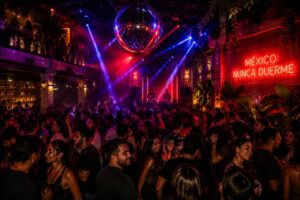

Choosing the best area to stay in Mexico City for nightlife depends on what you actually want to do after dinner.
A night built around cocktails in Roma Norte feels different from dancing until late in Zona Rosa, having drinks overlooking Reforma, or planning a more polished evening in Polanco. Mexico City does not have one centralized entertainment district. Its nightlife is spread across several neighborhoods, each with its own atmosphere, price range, music, and transportation needs.
For most travelers, the practical choice is not to stay near every famous club. It is to choose a neighborhood that matches the kind of evening you expect to have most often, then use ride-hailing or public transportation when you want to explore somewhere else.
How Mexico City Nightlife Is Organized
Mexico City nightlife is neighborhood-based.
Roma Norte and Condesa sit next to each other but offer different rhythms after dark. Juárez contains Zona Rosa, one of the city’s historic LGBTQ+ nightlife centers. Reforma works well for rooftop drinks and central connections, while Polanco leans toward restaurants, cocktail bars, lounges, and higher-budget nights.
The categories also overlap.
A restaurant may turn into a livelier bar later in the evening. A cocktail venue may host DJs on selected nights. Some clubs focus on electronic music, while others rotate between pop, Latin music, live performances, or themed events.
That is why current programming matters more than reputation alone. A venue that is ideal on Friday may have a completely different atmosphere on Wednesday.
If you are also comparing neighborhoods for daytime plans, our guide to where to stay in Mexico City can help you weigh nightlife against walkability, business plans, food, and the rest of your itinerary.
Roma Norte: Cocktails, Clubs, and Variety
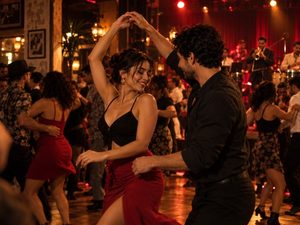
For travelers who want restaurants, cocktails, music, dancing, and late-night food within the same general area, nightlife in Roma Norte offers one of the broadest mixes.
The neighborhood works particularly well when you do not want every evening to follow the same format.
You might begin with dinner around Colima or Álvaro Obregón, continue to cocktails, and decide later whether you want music, dancing, or another bar. Current nightlife coverage of Roma still spans traditional dance venues, clubs, cocktail bars, and newer concepts, reinforcing how varied the neighborhood remains after dark.
That flexibility is one of Roma Norte’s biggest advantages.
You can plan a serious night out, but you can also have dinner, one drink, and walk back without turning the evening into a club night.
The main consideration is noise.
Some streets stay active long after dinner service ends. If sleep matters as much as nightlife, look at the exact block before booking rather than assuming every address in Roma Norte feels the same at midnight.
Condesa: Stylish and More Relaxed Nights
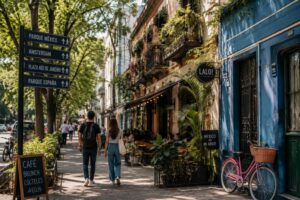
Condesa is adjacent to Roma Norte, but its evening atmosphere tends to feel more dispersed.
Restaurants, wine bars, cocktail spots, terraces, and smaller nightlife concepts sit among residential streets and parks. For many travelers, nightlife in Condesa works best when the evening begins with dinner and drinks and may or may not continue somewhere louder later.
That makes Condesa a strong choice for couples, groups of friends, and travelers who want to go out without making clubs the center of the trip.
The neighborhood also gives you an easy daytime routine around Parque México, Avenida Amsterdam, cafés, and restaurants, which can matter if nightlife is only one part of a longer stay.
The distinction between Roma Norte and Condesa is therefore less about which one “has better nightlife” and more about density and rhythm.
Choose Roma Norte when you want more nightlife formats concentrated nearby.
Choose Condesa when you want evenings out combined with a slightly more residential daily routine.
Juárez and Zona Rosa: Variety and Late-Night Energy
Juárez is particularly useful when nightlife is a major part of the trip.
It sits between Roma Norte and Reforma and combines restaurants, cocktail bars, clubs, cultural spaces, and Zona Rosa.
For international visitors, one geographic detail matters: Zona Rosa is part of Juárez, not a separate colonia.
Zona Rosa has been connected to Mexico City’s LGBTQ+ nightlife for decades. Recent local coverage continues to describe the area as an important center of LGBTQ+ social and nightlife culture, while newer venues keep expanding the mix of clubs, karaoke, drag, electronic music, and rooftop experiences.
That makes Zona Rosa nightlife useful for travelers who want to move between venues without spending much of the night in a car.
The atmosphere changes from one street to another.
Some sections around Niza, Amberes, and the busiest nightlife corridors can remain active very late. Other parts of Juárez feel more oriented toward restaurants, cafés, or residential buildings.
If late nights are the priority, that energy is a benefit.
If you want access to the area but also value quieter mornings, staying a few streets away from the busiest cluster can create a better balance.
Reforma: Rooftops and Central Connections
Reforma offers a different type of evening.
The avenue is associated with hotels, restaurants, rooftops, major landmarks, and business towers rather than a continuous strip of clubs.
Its strongest advantage is connectivity.
Staying near Reforma puts Juárez and Zona Rosa close by, while Roma Norte and Condesa are also within relatively easy reach.
That works well for travelers whose ideal evening starts with dinner, cocktails, or rooftop bars in Mexico City rather than immediately heading to a dance floor.
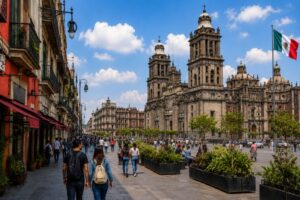
Reforma also makes sense when nightlife needs to coexist with sightseeing or work. You can spend the day around Chapultepec, business districts, museums, or central attractions and still reach several different nightlife neighborhoods after dark.
The exact rooftop or bar should be checked before going. Events, reservations, access policies, and music programming can change.
Polanco: Upscale Bars and Clubs
Polanco is a stronger fit for travelers who prefer more polished evenings and are comfortable with higher prices.
The neighborhood combines restaurants, hotel bars, cocktail concepts, lounges, and clubs, especially around its principal dining and entertainment corridors.
The atmosphere is not necessarily more energetic than Roma Norte or Zona Rosa. It is simply different.
A night in Polanco may involve a long dinner, cocktails afterward, and a club or lounge later rather than moving casually between several small bars.
Current nightlife openings also show that Polanco’s evening scene extends beyond traditional clubs into hybrid concepts combining music, cocktails, karaoke, DJs, and social entertainment.
When researching clubs in Polanco, check reservations, event programming, and dress expectations before going. Some venues are more selective or structured than casual bars in Roma Norte or Zona Rosa.
Polanco also requires more transportation planning if most of your other nights will happen in Roma, Condesa, or Juárez.
Typical Hours, Cover Charges, and Dress Codes
Mexico City tends to go out late.
Cocktail bars and restaurants may become busy earlier in the evening, while dance-oriented venues often build momentum closer to midnight.
There is no universal cover charge.
Some bars have none. Clubs may charge according to the event, DJ, live act, or day of the week. Certain parties require advance tickets or guest-list registration.
Recent Zona Rosa coverage, for example, continues to show venues using covers, themed nights, guest DJs, and advance reservations depending on the event.
Dress codes vary just as much.
Roma Norte and Condesa generally accommodate smart-casual looks. Zona Rosa spans very casual venues to more appearance-conscious clubs. In Polanco, checking the venue’s current dress expectations becomes more important.
Avoid planning around an old cover price or schedule. Check the venue’s current social channels or event page before leaving.
Best Area by Nightlife Style
Instead of ranking neighborhoods, match the location to the kind of night you expect most often.
| Your preferred night | Area to consider | What it does well |
| Cocktails, restaurants, varied bars, dancing | Roma Norte | Dense mix of formats and easy transitions between dinner and nightlife |
| Dinner, drinks, and a more relaxed evening | Condesa | Nightlife alongside parks, cafés, and a calmer daytime routine |
| LGBTQ+ nightlife and late venue-hopping | Juárez / Zona Rosa | High concentration of venues and late-night energy |
| Rooftops and central connections | Reforma | Easy access to Juárez plus a central base for daytime plans |
| Polished cocktails, restaurants, and club nights | Polanco | Higher-end atmosphere and structured nights out |
| Live music and mixed formats | Roma Norte / Juárez | Broad selection of music-led venues and nightlife concepts |
A traveler planning three club nights will choose differently from someone who wants one evening out during a week of restaurants, museums, and work.
Plan Transportation Before the Night Starts
Where you stay directly affects how often you need a car after dark.
Roma Norte, Condesa, Juárez, and Zona Rosa form a relatively compact central nightlife corridor. Depending on the exact route and hour, some plans can be combined on foot, while others are better handled with a short ride.
Reforma also works well as a connecting location.
Polanco sits farther from Roma, Condesa, and Juárez, so a traveler who plans to move repeatedly between those areas should expect more ride-hailing.
For late-night transportation, ride-hailing is often the simplest option once public transit becomes less convenient or when the venue is outside your immediate neighborhood.
Keep your phone charged, verify the vehicle and license plate, and wait in a busy, well-lit area.
If you are still getting familiar with the city, our Mexico City travel tips cover additional practical details about transportation and moving between neighborhoods.
Consider Noise Before You Book
Being close to nightlife is useful until the night you want to sleep early.
Before choosing an accommodation, look beyond the neighborhood name and check the immediate surroundings.
A property next to several clubs or bars can experience more activity late at night, particularly toward the weekend. Moving only a few streets away may preserve easy access while changing the nighttime environment significantly.
The unit itself matters too.
Street-facing windows and lower floors may experience more outside sound than interior-facing units or accommodations farther from the busiest corridors.
The goal is not necessarily to stay far from nightlife.
It is to decide how much proximity you want in exchange for easier late-night returns.
Stay Near the Nightlife With ULIV
If most of your evenings will happen around Roma Norte and Juárez, staying nearby reduces unnecessary late-night transportation.
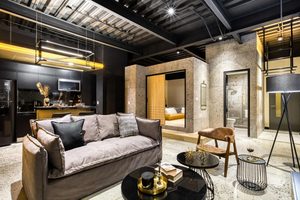
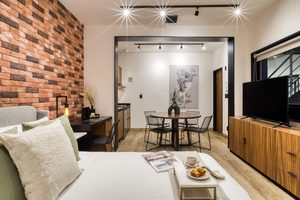
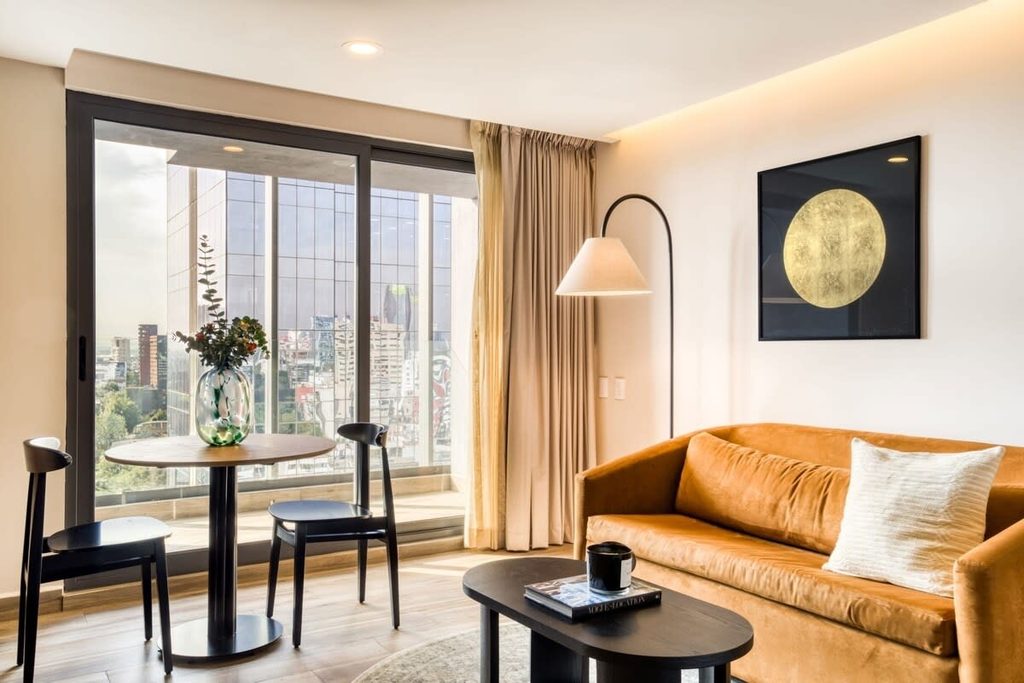
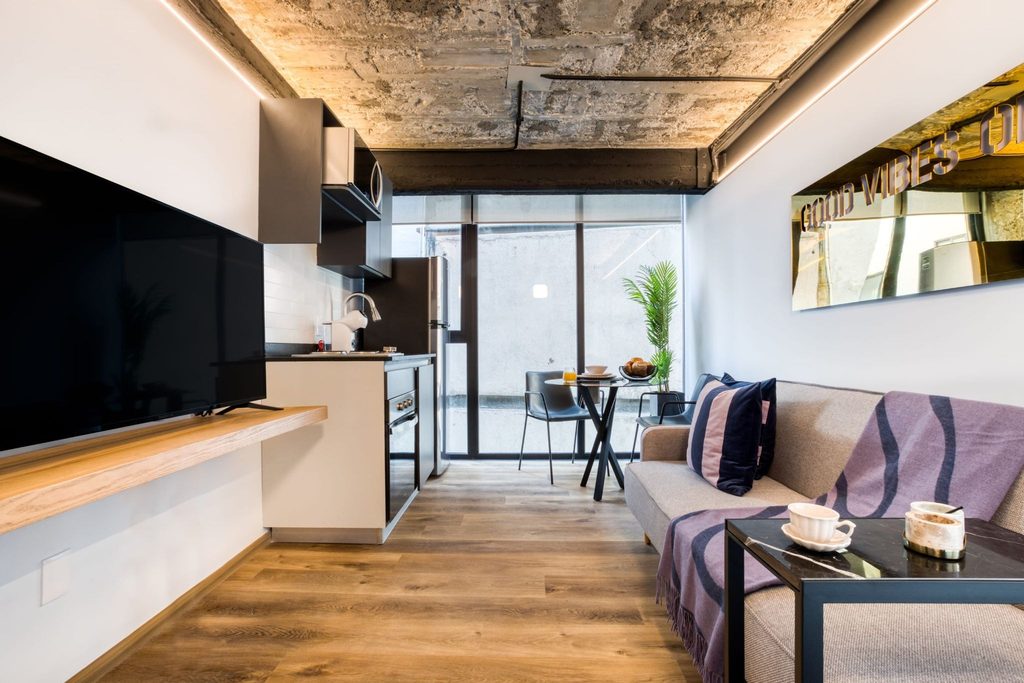
For nights centered on Roma Norte and the Cibeles area, ULIV Cibeles gives our guests a base close to restaurants, cafés, bars, and the neighborhood’s nightlife. The current master base specifically identifies the property for Roma Norte, Cibeles, gastronomy, and nightlife.
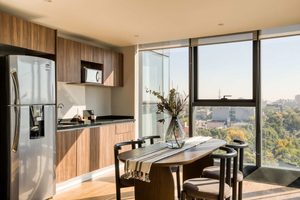
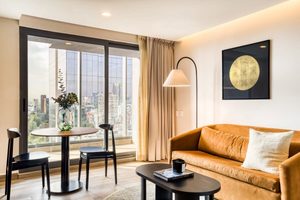
If Reforma, Juárez, and Zona Rosa are more important to your plans, ULIV El Angel creates a different starting point near the Reforma corridor and Ángel de la Independencia. From there, you can keep Juárez and Zona Rosa close while still reaching Roma Norte for nights when you want a different atmosphere.
At ULIV, we combine private accommodation with professionally managed hospitality, so choosing a convenient location for nightlife does not mean the entire stay has to revolve around going out. The right base should also make it easy to rest, work, explore during the day, and return comfortably at the end of the night.
Compare ULIV Cibeles and ULIV El Angel according to the nightlife corridor you expect to use most often.
Conclusion
The best area to stay in Mexico City for nightlife depends on the kind of evening you want to repeat during your trip.
Roma Norte is strongest for variety. Condesa fits a more relaxed dinner-and-drinks rhythm. Juárez and Zona Rosa work particularly well for late nights and LGBTQ+ nightlife. Reforma combines rooftops with central connectivity, while Polanco suits travelers looking for a more polished evening.
Then look beyond the neighborhood label.
Consider the exact street, current venue schedules, transportation after midnight, and how much noise you want near your accommodation.
Choosing the right area is not about staying beside the city’s most famous club. It is about making your preferred nightlife easy to reach without making the rest of your trip harder.