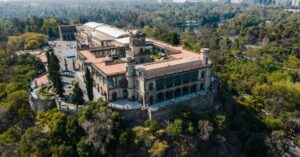

Choosing where to stay in Mexico City for Day of the Dead is different from choosing a hotel for an ordinary sightseeing trip.
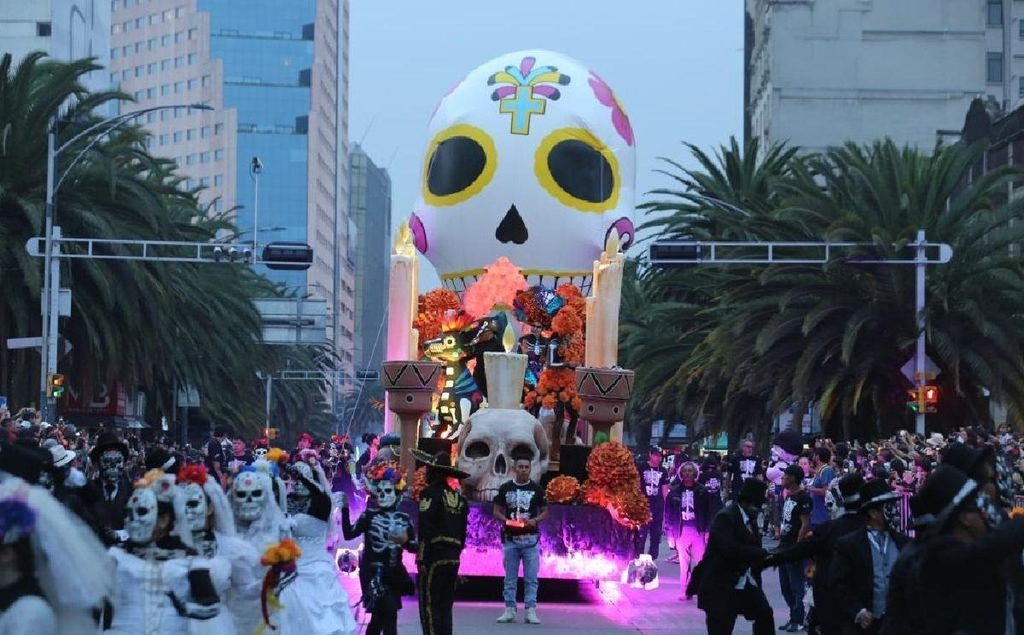
The celebration is spread across the city. In 2026, major public activities include the Monumental Ofrenda in the Zócalo from October 29 to November 2, installations along Paseo de la Reforma, the Great Day of the Dead Parade on October 31, programming in Chapultepec, community ofrendas, and traditional commemorations farther south in places such as Mixquic.
That means there is no single neighborhood where every important activity happens.
For most international visitors, the better strategy is to stay in a central area that makes several events easy to reach while also giving you restaurants, cafés, museums, nightlife, and convenient transportation during the rest of the trip.
Day of the Dead in Mexico City Is Spread Across Several Areas
The first thing to understand about Day of the Dead in Mexico City is that it is not one festival held in one location.
The Zócalo becomes a major civic center for public ofrendas and cultural programming. Paseo de la Reforma hosts installations, parades, and seasonal activities. Chapultepec has its own programming, while Coyoacán and other neighborhoods organize community events. Mixquic, in the southeastern part of the city, follows a much more traditional community rhythm around cemeteries, family remembrance, and La Alumbrada.
For accommodation, this geographic spread matters more than trying to identify the closest property to one event.
A traveler who plans to see the parade, visit the Zócalo, spend an evening in Roma Norte, and make one trip south should usually choose a central base rather than move between accommodations.
The official Mexico City Day of the Dead 2026 calendar also begins well before November 1. The Cempasúchil Flower Festival on Reforma starts October 18, “El Camino” illumination begins October 23, and the Mega Procession of the Catrinas is scheduled for October 25.
If Día de Muertos is one of the main reasons for the trip, arriving a few days before November 1 gives you more flexibility.
Reforma and Juárez: Strong for Major Public Events
Reforma is one of the most practical areas for travelers who want easy access to large-scale public celebrations.
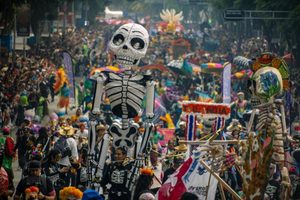
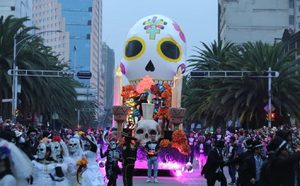
In 2026, several confirmed activities use Paseo de la Reforma directly. The Cempasúchil Flower Festival runs between the Ángel de la Independencia and the Ahuehuete, while “El Camino” illumination extends from the Ángel toward the Puerta de los Leones. The Great Day of the Dead Parade is scheduled for Saturday, October 31, beginning near Diana Cazadora and continuing toward the Zócalo.
That makes Reforma particularly useful during the busiest days.
You can stay close to some of the most visible public programming while keeping Chapultepec, Juárez, and central sightseeing within reach.
Juárez sits directly beside Reforma and adds restaurants, cocktail bars, cafés, and Zona Rosa. It works well for travelers who want public events during the day and a more active neighborhood in the evening.
For a first visit, this area also simplifies orientation. Reforma acts as a major reference point across central Mexico City, so it is easier to understand where Roma Norte, Juárez, Chapultepec, and the Historic Center sit in relation to one another.
Centro Histórico: Best for the Zócalo Experience
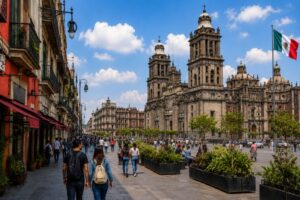
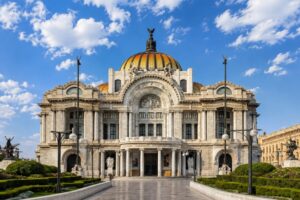
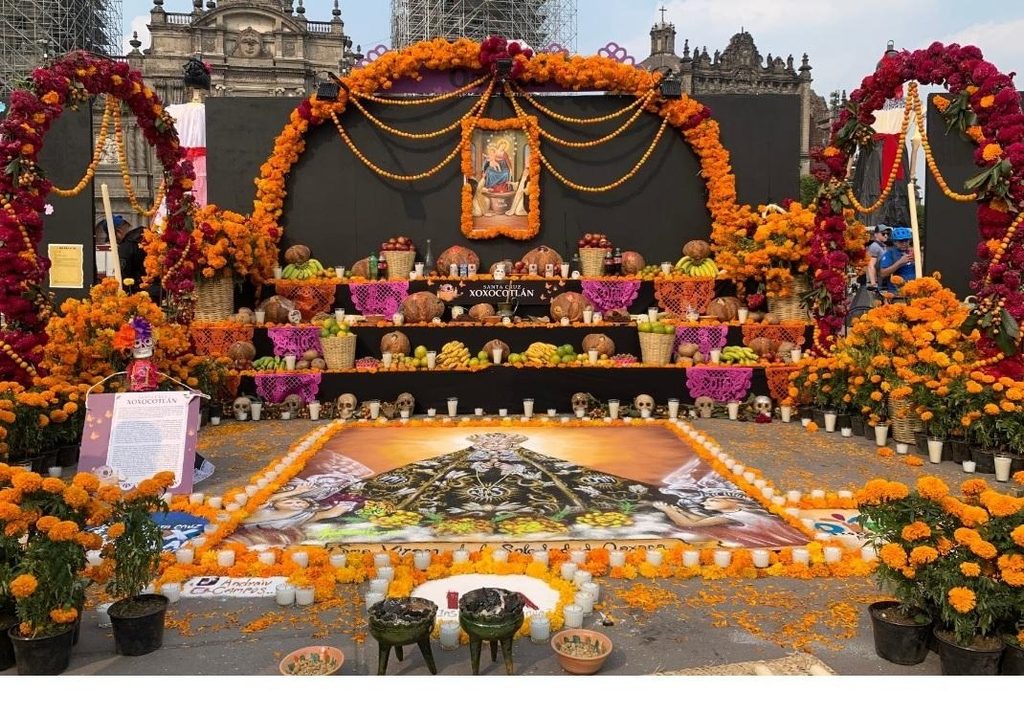
Centro Histórico places you closest to the Zócalo and some of the most recognizable public Day of the Dead displays.
The 2026 Monumental Ofrenda is scheduled from October 29 through November 2. This year’s installation is dedicated to José Guadalupe Posada’s Catrina and includes a large-scale cartonería sculpture, cempasúchil flowers, and accompanying cultural programming. Decorative illumination around the Zócalo is scheduled to remain in place through November 4.
For travelers who want to return to the Zócalo several times, Centro can make sense.
Morning and evening visits often feel different, and staying nearby reduces repeated transportation.
The tradeoff is intensity.
The Historic Center attracts large crowds during major celebrations. Streets around important events may become much busier than on an ordinary week, and transportation patterns can change.
If your trip includes only one visit to the Zócalo but several nights in Roma, Reforma, or Condesa, staying downtown may not be necessary.
Roma Norte: A Balanced Base for Events and Everyday City Life
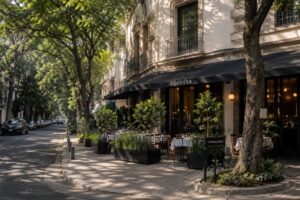
For many international visitors, Roma Norte offers one of the easiest balances between Day of the Dead activities and a broader Mexico City trip.
You are not staying directly at the Zócalo or beside the southern community celebrations, but you remain close to Reforma, Juárez, and Condesa while gaining easy access to restaurants, cafés, bars, bakeries, and everyday services.
That can make a difference during a multi-day trip.
Día de Muertos involves more than moving from event to event. You may want breakfast before heading downtown, somewhere nearby for dinner after a parade, or a slower morning after a late evening.
Roma Norte gives you those options without requiring every meal or break to become another trip across the city.
If this is also your first time in Mexico City, our guide to where to stay in Mexico City can help you compare Roma Norte with other central neighborhoods according to the rest of your plans.
The main point to check is noise. Some streets around restaurants and nightlife stay active late, particularly during a high-demand weekend.
Condesa: A More Residential Rhythm Near Central Events
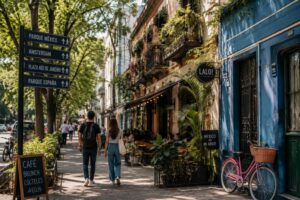
Condesa sits next to Roma Norte but feels different during the day.
The areas around Parque México and Avenida Amsterdam combine cafés, restaurants, residential streets, and green spaces. That works well for travelers who want central access but also value quieter moments between events.
Condesa is especially attractive for couples or visitors staying several days beyond November 2.
You can use Reforma, Roma Norte, and Juárez for events and nightlife while returning to an area where walking, breakfast, and a slower morning are easy to organize.
For Day of the Dead specifically, Condesa does not eliminate transportation. You will still need to travel to the Zócalo, Chapultepec, Coyoacán, or Mixquic depending on your itinerary.
Its advantage is that it works well for the entire stay rather than for one event.
Coyoacán: Cultural Atmosphere, but Farther From Reforma
Coyoacán becomes especially lively during the season.
The official 2026 program includes community ofrendas across the city, and Mexico City’s visitor guide specifically highlights historic centers such as Coyoacán as places where altars, local fairs, and cultural activities become part of the celebration.
Staying in Coyoacán can make sense if the neighborhood itself is a major part of your trip.
You gain a more local residential atmosphere, traditional plazas, markets, museums, and seasonal activity nearby.
But for visitors planning to attend multiple central events on Reforma or in the Zócalo, it creates more transportation.
That distinction is important.
Coyoacán is a good accommodation choice when you want to experience southern Mexico City as part of the trip. It is less efficient if almost every major plan is concentrated around Reforma and Centro.
What About Xochimilco and Mixquic?
Xochimilco and Mixquic should be treated differently from central neighborhoods.
They are not simply additional stops between Roma Norte and the Historic Center.
Xochimilco offers seasonal experiences including nighttime trajinera rides and ofrendas around the chinampa landscape. Mixquic, farther southeast in Tláhuac, has a much deeper community tradition centered on family remembrance and the cemetery.
In 2026, Mixquic’s main cycle runs from October 31 through November 2, culminating with La Alumbrada on November 2.
The official city guide specifically recommends arriving hours in advance because of traffic and asks visitors to request permission before taking photographs, remain quiet during La Alumbrada, and avoid stepping or sitting on graves.
For most international visitors, staying in Mixquic is not necessary.
Treat it as a dedicated excursion and keep your accommodation in a more central neighborhood unless experiencing Mixquic is the central purpose of the trip.
This also prevents one traditional community experience from defining the logistics of every other day.
Chapultepec Is Easier From Reforma, Roma, Condesa, or Polanco
Chapultepec deserves its own place in the accommodation decision because the 2026 program includes the Day of the Dead festival “The Door Between Two Worlds” from October 29 to November 4 in the Second Section of the park.
The program includes artistic installations, music, dance, gastronomy, altars, and nighttime programming.
Travelers staying around Reforma, Roma Norte, Condesa, or Polanco can reach Chapultepec much more easily than someone based farther south.
That makes these neighborhoods particularly useful when your itinerary combines Day of the Dead with museums and general sightseeing.
If cultural attractions are part of the trip, our guide to museums in Mexico City can help you use the days before or after the main celebrations more effectively.
How Many Days Should You Stay?
If Día de Muertos is one of the main reasons for visiting Mexico City, three nights can feel rushed.
A stay of four or five nights gives you more flexibility to separate major public events from neighborhood exploration.
For example, you might use one day for Reforma and Chapultepec, another for Centro Histórico, and keep a separate day or evening for Coyoacán or a southern excursion.
That is more practical than trying to combine Reforma, Zócalo, Coyoacán, Xochimilco, and Mixquic in one continuous route.
The 2026 calendar also rewards arriving before November 1 because several public installations and events begin during the final two weeks of October.
What to Check Before Booking
Day of the Dead is a high-demand period, so accommodation should be booked with the full itinerary in mind.
Check:
- The exact property address, not only the neighborhood.
- Distance from Reforma or your most important event area.
- Transportation options for late returns.
- Street activity and potential noise.
- Cancellation and modification terms.
- Parking if you are bringing a car.
- Wi-Fi if you will work during the trip.
- Kitchen access if you want more flexibility with meals.
- Space and bed distribution if you are traveling as a group.
- Guest support during a busy holiday period.
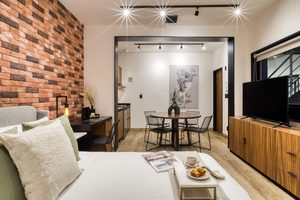
A furnished apartment can work just as well for a short three-night visit as for a longer stay if you value more private space, a kitchen, or the ability to spend time together outside a single hotel room.
The right choice depends on how you plan to use the accommodation, not only how many nights you are staying.
Stay Central With ULIV During Day of the Dead
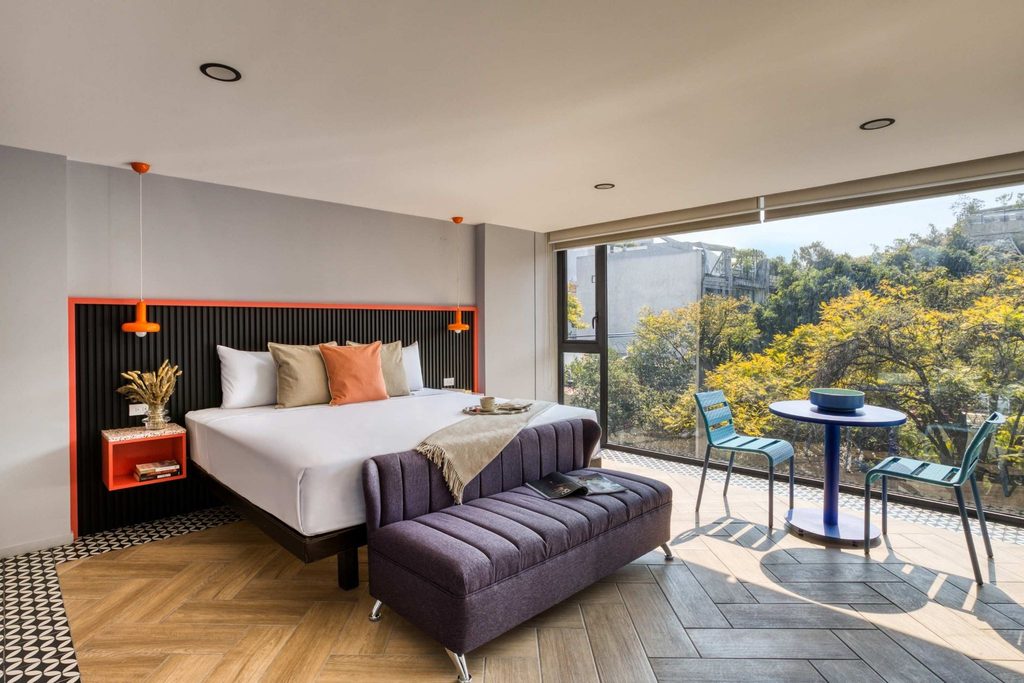
For visitors prioritizing Reforma and the major central events, ULIV El Angel gives our guests a base near the Ángel de la Independencia and Paseo de la Reforma.
That location is particularly relevant in 2026 because several confirmed activities take place directly along Reforma, including the Cempasúchil Flower Festival, seasonal illumination, and the Great Day of the Dead Parade.
If your trip also revolves around restaurants, nightlife, and Roma Norte, ULIV Cibeles offers a different base. Staying around Cibeles keeps Roma Norte and Juárez close while Reforma remains easy to reach.
Another option in Roma Norte is ULIV Mexico City, located on Insurgentes Sur, one of Mexico City’s main avenues. It works well for travelers who want to stay close to Roma while keeping convenient connections toward Reforma and other parts of the city.
For visitors who plan to divide their time between Roma and Condesa, ULIV Pulse Roma – Condesa provides a convenient base between both neighborhoods, with restaurants, cafés, parks, and nightlife close by.
Travelers looking for a more premium experience can consider Collections by ULIV Polanco, especially if the trip also includes Chapultepec, museums, shopping, upscale dining, or additional leisure days in Polanco.
For an even more luxury-oriented stay, UTOPIC Campos Elíseos by ULIV is another option in Polanco, suitable for travelers who want to combine Day of the Dead events with a more elevated stay in one of Mexico City’s most exclusive areas.
At ULIV, we combine private living spaces with professionally managed hospitality, which can be particularly useful during a busy period when transportation, event schedules, and long days around the city already require extra planning.
The right base depends on what you want to repeat most often: Reforma for major public events, Roma Norte for restaurants and nightlife, Roma-Condesa for a more neighborhood-focused stay, or Polanco for a more premium experience close to Chapultepec and cultural attractions.
Conclusion
Choosing where to stay in Mexico City for Day of the Dead is ultimately about deciding which parts of the celebration you want to experience most often.
Reforma and Juárez put major public events and central connections close by. Centro Histórico works when the Zócalo is the main priority. Roma Norte balances seasonal activities with restaurants and nightlife, while Condesa provides a more residential rhythm nearby. Coyoacán makes more sense when southern culture and neighborhood events are central to the trip.
Xochimilco and Mixquic are better treated as dedicated experiences rather than accommodation anchors for most first-time visitors.
The strongest strategy is to stay somewhere that supports the entire trip, then travel intentionally to the events that require more time.