
An extended stay in Tijuana changes the way you choose accommodation.
For a weekend trip, being close to restaurants or a particular attraction may be enough. Stay for several weeks, however, and everyday details start carrying much more weight: where you buy groceries, how reliably you can work online, whether laundry is easy, how much time you spend in traffic, and how convenient it is to reach the places that are part of your regular routine.
That is especially important in Tijuana, where a longer stay may involve work, medical appointments, university, family visits, business projects, or frequent trips across the U.S.–Mexico border.
The best base is not necessarily the neighborhood with the most attractions. It is the one that makes your repeated journeys and daily needs easier.
What Changes During an Extended Stay?
There is no universal number of nights that suddenly turns a trip into an extended stay.
In practical terms, the change happens when the accommodation stops functioning only as a place to sleep and starts becoming part of your routine.
If you are staying a few weeks or a month, you are more likely to care about:
- Having a kitchen you can actually use
- Reliable Wi-Fi
- Laundry access
- Comfortable space for work or study
- Nearby supermarkets, pharmacies, and everyday services
- Parking if you have a car
- Transportation to recurring appointments or meetings
- Enough storage for more than a weekend bag
- Clear guest support if something needs attention during the stay
Cost also becomes more complex.
A nightly rate that looks attractive for three days may not be the most practical option for four weeks once you add meals, laundry, transportation, parking, and other recurring expenses.
That is why longer stays should be planned around how you will live, not simply where you want to visit.
Who Typically Needs a Longer Base in Tijuana?
Tijuana attracts several types of longer-stay travelers.
Some are in the city for temporary work assignments or projects. Others travel for medical or dental care and may need to remain close to clinics for multiple appointments.
Students and visiting professionals may stay for a semester, course, or training period.
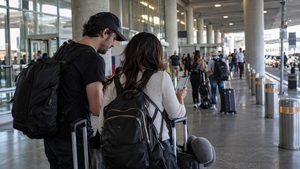
Cross-border travelers are another important group. If part of your routine includes San Diego, your choice of neighborhood may depend heavily on how often you plan to reach the San Ysidro or Otay Mesa ports of entry.
Tijuana is also used as a base by people visiting family, relocating gradually, or spending time in Baja California before continuing to Rosarito, Ensenada, or Valle de Guadalupe.
These travelers do not need the same neighborhood.
Someone crossing the border several mornings a week should evaluate the city differently from someone working remotely from an apartment and leaving mostly for meals and errands.
Choose a Base Around Your Routine
Before comparing apartments, map the places you expect to visit repeatedly.
Not the places you might visit once.
Think about:
- Workplace or university
- Clinic or hospital
- Border crossing
- Airport
- Grocery store
- Gym
- Restaurants you expect to use regularly
- Family or friends
- Coworking or meeting locations
Then look at the journeys between them.
This is more useful than choosing a neighborhood because it appears on a generic list of the “best areas” in Tijuana. The main areas covered in our Tijuana neighborhood guide work very differently once daily commuting, errands, and border crossings become part of the decision.
For an extended stay, the next step is matching those neighborhoods with your actual week.
Zona Río: Convenient for Business, Services, and Central Access
Zona Río is one of the most practical areas for travelers whose routine combines business, medical appointments, restaurants, and central Tijuana.
The area contains offices, commercial centers, restaurants, healthcare services, and government facilities, reducing the number of long trips needed for everyday tasks.
For a longer stay, that concentration matters.
You may be able to work, have lunch, buy groceries, attend an appointment, and return to your accommodation without repeatedly crossing the city.
Zona Río is also useful for travelers who want a more central base without staying directly in the busiest parts of downtown.
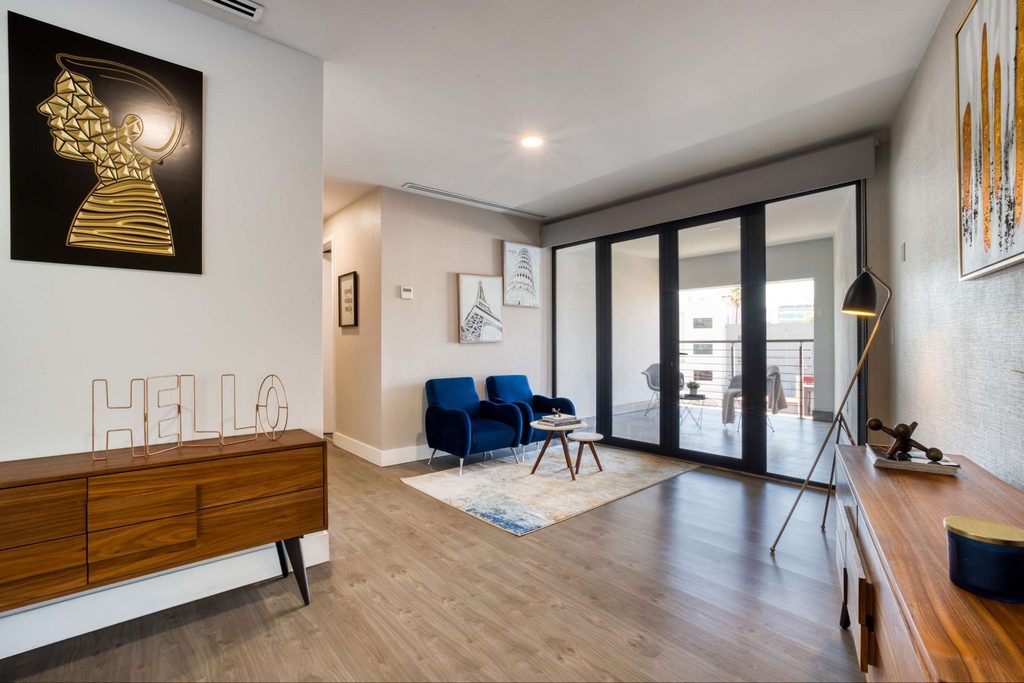
For this type of routine, Eazy Rio by ULIV gives our guests a base in the Río area, making it relevant when work, appointments, restaurants, and everyday services are likely to repeat throughout the stay.
The tradeoff is traffic.
Being centrally located does not mean every trip is fast, especially during peak periods. If you know that you will travel daily toward Otay, Playas, or another part of the city, test that route before assuming Zona Río is automatically the most convenient option.
Centro: Better for Urban Activity and Walkable Daily Plans
Centro gives you a different type of routine.
Staying downtown places restaurants, cafés, bars, shops, and cultural activity close by. Avenida Revolución and surrounding streets make it possible to handle many everyday plans without needing a car every time you leave your apartment.
Centro can work particularly well for travelers who want an active urban environment and expect to spend much of their time in central Tijuana.
It may also suit visitors who want convenient access toward the San Ysidro border area.
The important question for a longer stay is the exact block.
Noise, nightlife, parking, and street activity can change considerably within a relatively short distance. An apartment that works well for a weekend focused on dining and nightlife may feel very different if you need early mornings and quiet workdays.
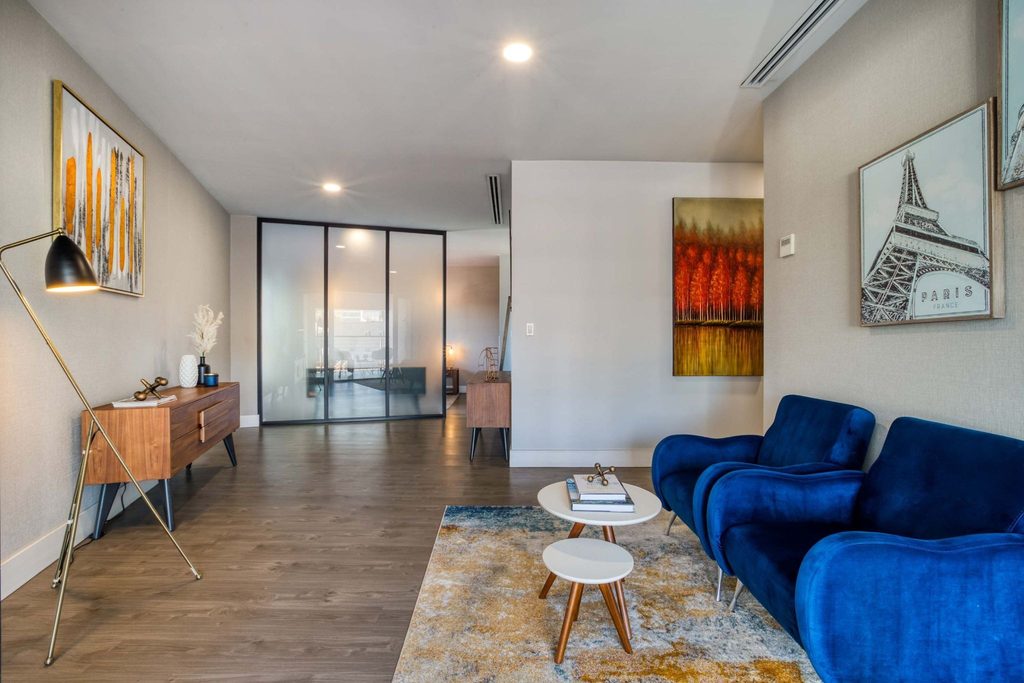
Downtown Designer Apartments by ULIV can make sense when central Tijuana is already part of your daily routine, while Downtown Loft by ULIV offers another downtown alternative for travelers who would rather be based in the center than commute into it repeatedly.
Apartment-style stays also require a different checklist than a traditional hotel, especially when comparing kitchens, workspace, laundry, and guest support. Those factors are also central when evaluating short-term rentals in Tijuana for anything beyond a quick visit.
Otay: Practical When the Airport or Otay Mesa Is Part of the Routine
Otay deserves more attention from longer-stay travelers than it usually gets from leisure visitors.
The Otay Centenario area sits close to Tijuana International Airport and the Otay Mesa border crossing.
That makes Otay particularly relevant if you:
- Fly frequently
- Work near the industrial or commercial areas around Otay
- Cross through Otay Mesa regularly
- Attend a nearby university or institution
- Prefer to reduce repeated east-west travel across the city
It is less attractive if most of your meals, meetings, and social plans are concentrated in Zona Río or Centro.
Again, the right choice depends on repetition.
Saving time on one airport trip at the beginning of the month matters less than saving time on a journey you make five days a week.
Playas de Tijuana: A Different Everyday Rhythm
Playas de Tijuana offers another kind of extended stay.
The area has a more residential character and direct access to Tijuana’s Pacific coastline.
For remote workers, couples, or travelers who prefer a quieter daily routine, that can be appealing.
The tradeoff is distance from other parts of Tijuana.
If your daily plans are concentrated in Zona Río, Otay, or across the border, commuting should be considered carefully.
Playas works best when you genuinely want the coast to be part of your normal day rather than something you visit occasionally.
Travelers building a longer Baja California itinerary may also want to compare the beaches in Ensenada and Tijuana before deciding whether a coastal base fits the rest of the stay.
What Should an Apartment Include for a Longer Stay?
An attractive apartment is not necessarily a practical apartment.
For a stay of several weeks, the features you use repeatedly matter more than decorative details.
Start with the kitchen.
You do not need to cook every meal for a kitchen to be valuable. Being able to prepare breakfast, store groceries, reheat food, or keep drinks and snacks at home can reduce both cost and friction.
Then look at storage.
A wardrobe, drawers, and enough room to unpack are much more useful during a month-long stay than living out of a suitcase.
The living area matters too, especially for couples or anyone spending significant time at home.
If several people are sharing the apartment, check the actual bed and bedroom configuration rather than relying only on maximum occupancy.
Wi-Fi, Laundry, and Workspace Matter More Over Time
Three amenities become increasingly important the longer you stay: internet, laundry, and somewhere comfortable to work.
Wi-Fi
For remote work, online classes, video calls, or simply managing travel plans, reliable internet is essential.
Do not treat “Wi-Fi included” as the end of the question if your work depends on connectivity. Professionally managed accommodation with a clear support channel becomes more valuable when connectivity is part of your daily routine.
Laundry
Laundry becomes a routine need surprisingly quickly.
Check whether the apartment has an in-unit washer, shared laundry facilities, or another clearly defined option. Do not assume that “fully equipped” automatically includes laundry inside the unit.
Workspace
A dining table can work occasionally.
It becomes less comfortable after several weeks of calls and laptop work.
If remote work is part of the stay, check whether the unit has a desk or whether the property includes a business center or another dedicated place to work.
Parking and Transportation Can Change the Real Cost
Parking is easy to overlook when comparing rates.
If you have a car, confirm whether parking is included, available for an additional fee, or not offered.
That matters in areas where finding street parking repeatedly would add time and inconvenience.
If you do not have a car, study your transportation routine instead.
A cheaper apartment farther away can become more expensive once daily ride-hailing trips are added.
This becomes especially relevant for cross-border travelers.
Tijuana has two major land-border areas used by travelers heading toward the United States: San Ysidro and Otay Mesa. Which one is more useful depends on your destination, schedule, documentation, and current border conditions.
If you cross frequently, choose the apartment after identifying which port of entry you expect to use most often.
The best neighborhood for sightseeing is not automatically the best neighborhood for a 6:30 AM cross-border commute.
Compare Monthly Cost, Not Just Nightly Price
For a longer stay, compare the complete cost of living in each option.
Start with accommodation, then add the expenses that differ depending on the property:
- Parking
- Laundry
- Internet
- Utilities if not included
- Cleaning
- Transportation
- Groceries versus eating out
- Workspace or coworking
- Additional guest or pet fees when applicable
A furnished apartment with a kitchen, internet, and included services may have a higher nightly rate than a basic room but still make more sense over several weeks.
The opposite can also be true.
Do not assume apartments are automatically cheaper than hotels.
For travelers who prefer a more traditional hotel setup instead of an apartment, Comfort Suites Tijuana provides another accommodation format within our Tijuana portfolio.
The better choice is the one whose total cost and setup match how you expect to live.
Booking Flexibility Matters on Longer Trips
Longer stays are more exposed to changing plans.
A project may finish early.
A medical schedule may change.
A work assignment may be extended.
A border routine may turn out differently from what you expected.
Before booking, review:
- Cancellation conditions
- Policies for extending the stay
- Minimum-stay requirements
- Payment schedule
- Security deposits
- Cleaning frequency
- Guest policies
- Pet policies if relevant
- What happens if maintenance is needed
Professional management becomes more valuable over time because you are more likely to encounter at least one practical issue during a month than during a weekend.
Knowing who to contact can matter as much as having the right amenities.
At ULIV, the objective is not to treat every longer stay as the same trip. A remote worker based in Zona Río, someone staying downtown, and a traveler crossing regularly into San Diego may all need furnished accommodation for several weeks, but the right location and amenities can be very different.
Conclusion
Planning an extended stay Tijuana trip is less about finding the neighborhood with the most attractions and more about reducing the friction of daily life.
Zona Río works well for travelers who want central access to business, services, healthcare, and restaurants. Centro suits people who prefer a more active urban environment and want everyday plans close by. Otay deserves consideration when the airport, Otay Mesa, or nearby workplaces are part of the weekly routine. Playas can be a better fit when a quieter coastal lifestyle matters more than central access.
Then look beyond location.
A useful kitchen, reliable Wi-Fi, laundry, workspace, parking, storage, and responsive management become much more important over several weeks.
Finally, compare the real monthly cost rather than only the nightly rate.
The right base is the one that makes the ordinary days easy, because during a longer stay, those ordinary days make up most of the trip.